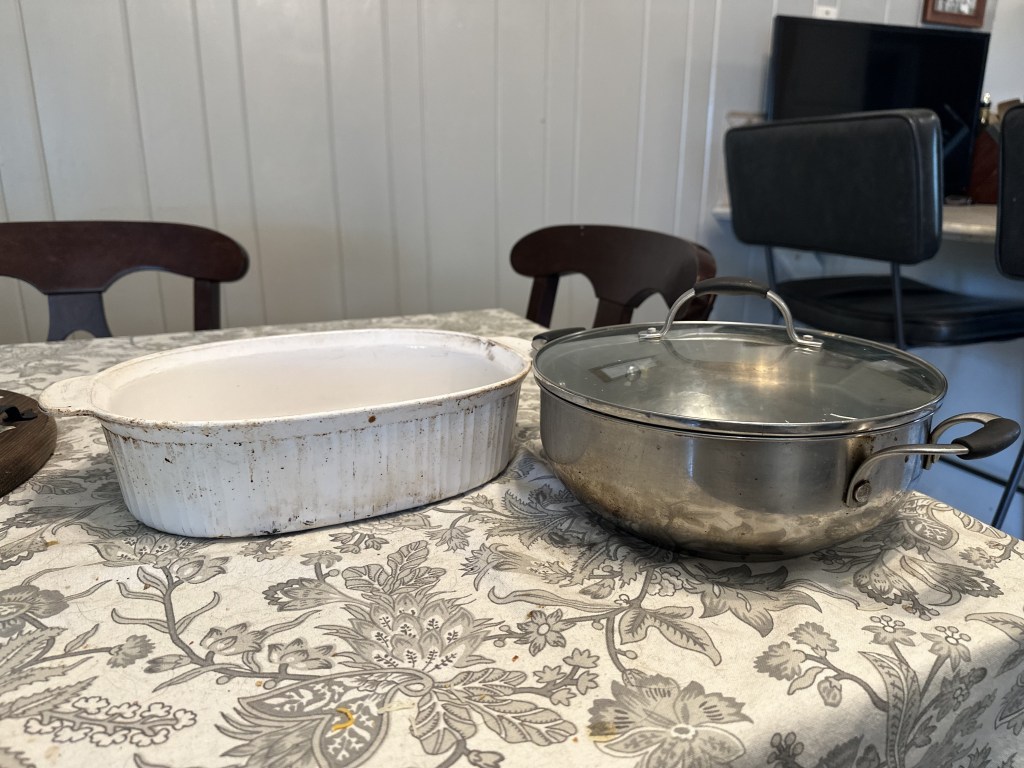
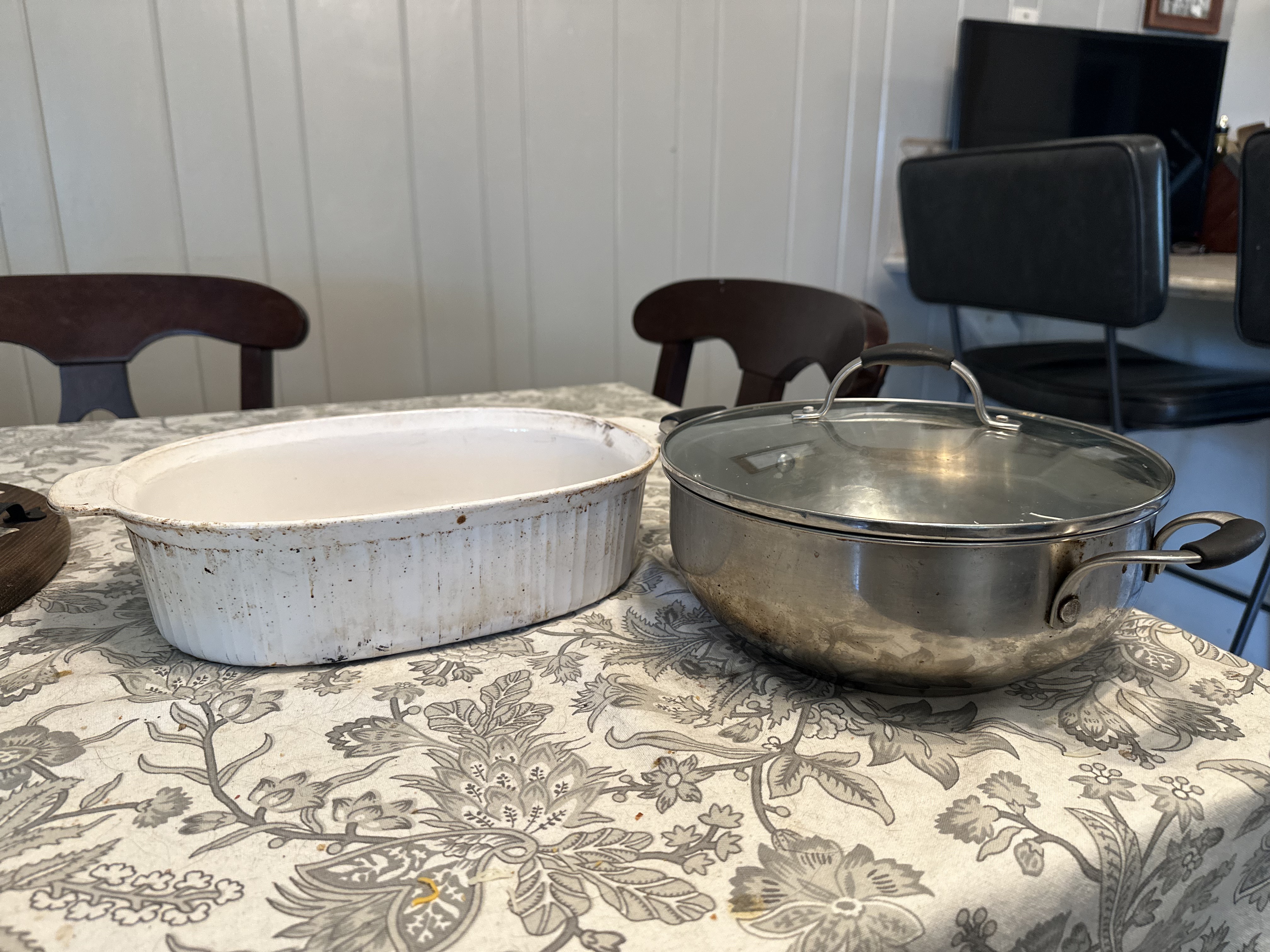
The Dutch oven stands proudly as a kitchen powerhouse, nipping at the heels of the venerable cast iron in terms of sheer versatility. Picture it: a deep, round vessel with a snug-fitting lid, ready to tackle culinary challenges with finesse. Crafted from an array of materials, from trusty cast iron to sleek ceramic, these pots are a culinary Swiss Army knife, seamlessly transitioning from stovetop to oven without missing a beat.
In my own kitchen escapades, the Dutch oven reigns supreme as the go-to tool for a myriad of culinary adventures. It’s the unsung hero behind hearty soups, the sizzling stage for meaty sautés, and the catalyst for creating luscious sauces that elevate any dish. From crafting the perfect spaghetti sauce to coaxing tender succulence from braised meats like coq au vin or succulent short ribs, the Dutch oven opens a world of culinary possibilities limited only by imagination.
Traditionally forged from robust cast iron, a Dutch oven demands a touch of care akin to its heavyweight cousin. If yours boasts this timeless material, heed the wisdom of seasoning passed down through generations, as shared in last week’s blog, “Cast Irons.” However, if your Dutch oven boasts a more modern metal or ceramic construction like mine, fear not. Simply treat it to a gentle hand wash, just as you would any other cherished kitchen tool.
Truth be told, I harbor a fondness for any cookware that seamlessly transitions from stovetop to oven. It’s a trait that speaks to a pan’s adaptability and reliability—a trait embodied perfectly by the Dutch oven. Whether simmering, sautéing, or braising, this culinary workhorse earns its place as a cherished companion in any kitchen, ready to transform ingredients into culinary masterpieces with a touch of magic and a whole lot of versatility.
 Grateful Grits
Leave a comment