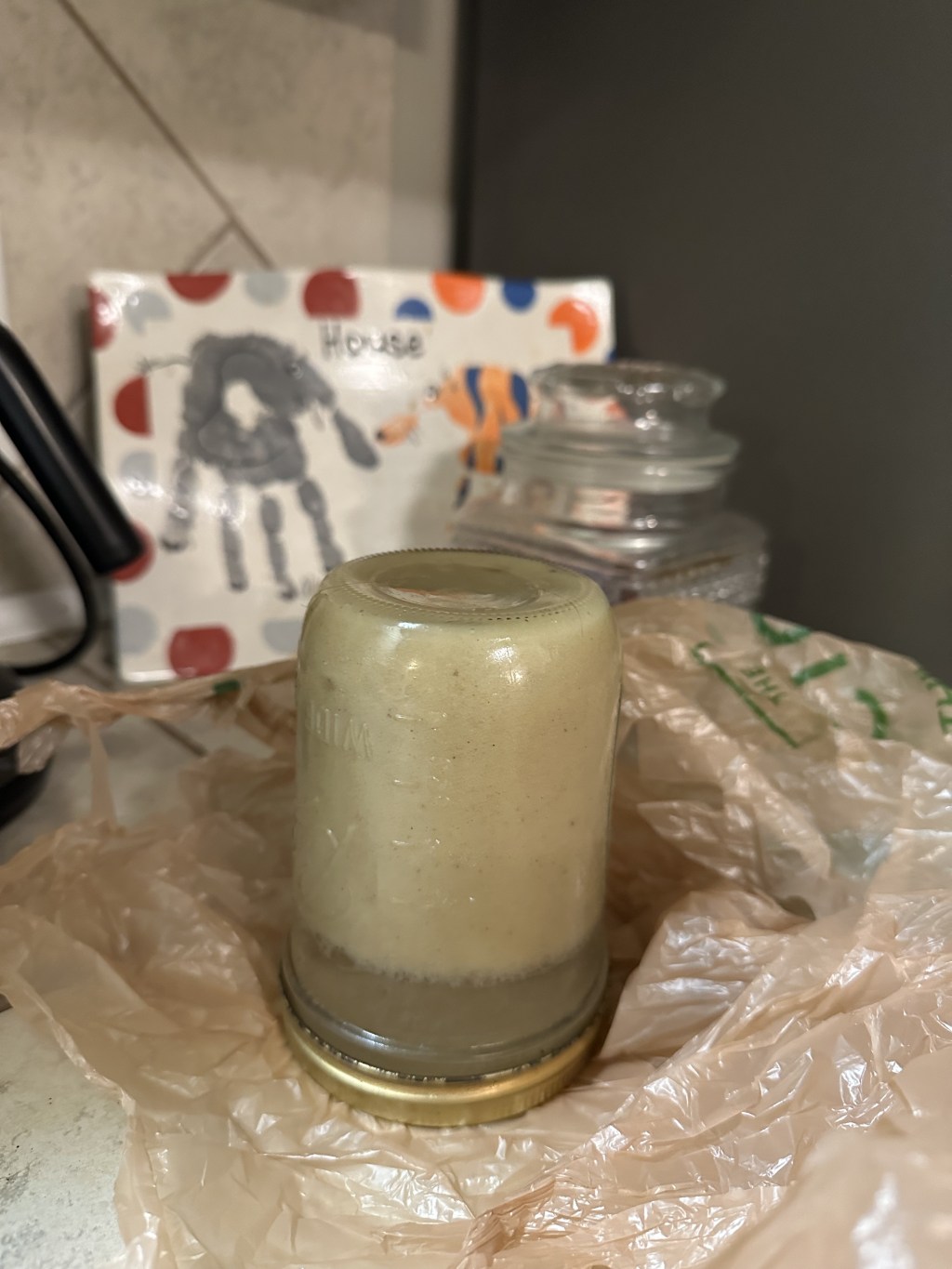
Beef tallow, the glorious fat derived from beef, presents itself as a culinary powerhouse. In my culinary escapades, I stumbled upon the liquid gold that is the fat generously skimmed from the summit of short ribs. This treasure trove of flavor isn’t just reserved for the elite – it’s a versatile delight that can seamlessly replace your regular vegetable oil or butter in the kitchen.
Picture this: the rich, unctuous essence of beef tallow elevating your dishes to new heights. Extracted from the very marrow of beef, it’s a gift to gastronomy. I harnessed the potential of this golden elixir by collecting the fat exuded from the short ribs, and the results were nothing short of spectacular.
The beauty of beef tallow lies in its adaptability. Swap it in for your usual preferred oil like vegetable oil or butter and watch as it transforms your culinary creations. Its high smoke point adds a layer of resilience to your cooking endeavors, allowing you to conquer the heat with finesse.
As you embark on your culinary journey, consider beef tallow not just as an ingredient but as a culinary confidant, ready to impart its robust flavor and versatility to your every dish. Let this liquid gold redefine your cooking experience, turning the ordinary into the extraordinary.
Benefits to Using Beef Tallow
The advantages of incorporating homemade beef tallow into your lifestyle span a spectrum of benefits, touching upon environmental consciousness, health considerations, and economic sensibility. Crafting your own beef tallow guarantees a zero-waste approach to your culinary endeavors, instilling a sense of purpose and utility to every element of your preparation. With beef tallow, nothing is discarded without serving a purpose; it’s a testament to sustainability in the kitchen.
What sets beef tallow apart is not just its utility but also its health attributes. Unlike many vegetable oils that undergo processes involving harsh chemicals and genetically modified organisms (GMOs), beef tallow stands as a natural alternative. Crafting it at home provides you with an intimate understanding of its composition, ensuring a product free from synthetic additives. Moreover, beef tallow is allergen-free and non-inflammatory, offering a gentle alternative to those with dietary sensitivities.
Beyond its purity, beef tallow emerges as a nutritional powerhouse. Enriched with fat-soluble vitamins A, B1, D, E, and K, it becomes a holistic source of essential nutrients for your body. Including beef tallow in your diet becomes a proactive measure to guarantee an ample supply of these vital vitamins, contributing to overall well-being.
Consider the impact on your gut health as well. Beef tallow promotes a flourishing gut microbiome, crucial not only for digestive health but also for mental well-being. Its Omega-3 content further underscores its significance, supporting brain function while nurturing healthy skin and hair.
Practicality is another feather in beef tallow’s cap. With an impressive shelf life, it defies the limitations of perishability. Stored at room temperature, it can last up to a year, extending to 18 months in the refrigerator, and up to two years in the freezer. This longevity not only enhances its convenience but also aligns with an ethos of sustainable living.
In essence, embracing beef tallow transcends mere culinary choices; it becomes a conscious decision for a healthier, sustainable, and well-rounded lifestyle.
How to Prepare Beef Tallow
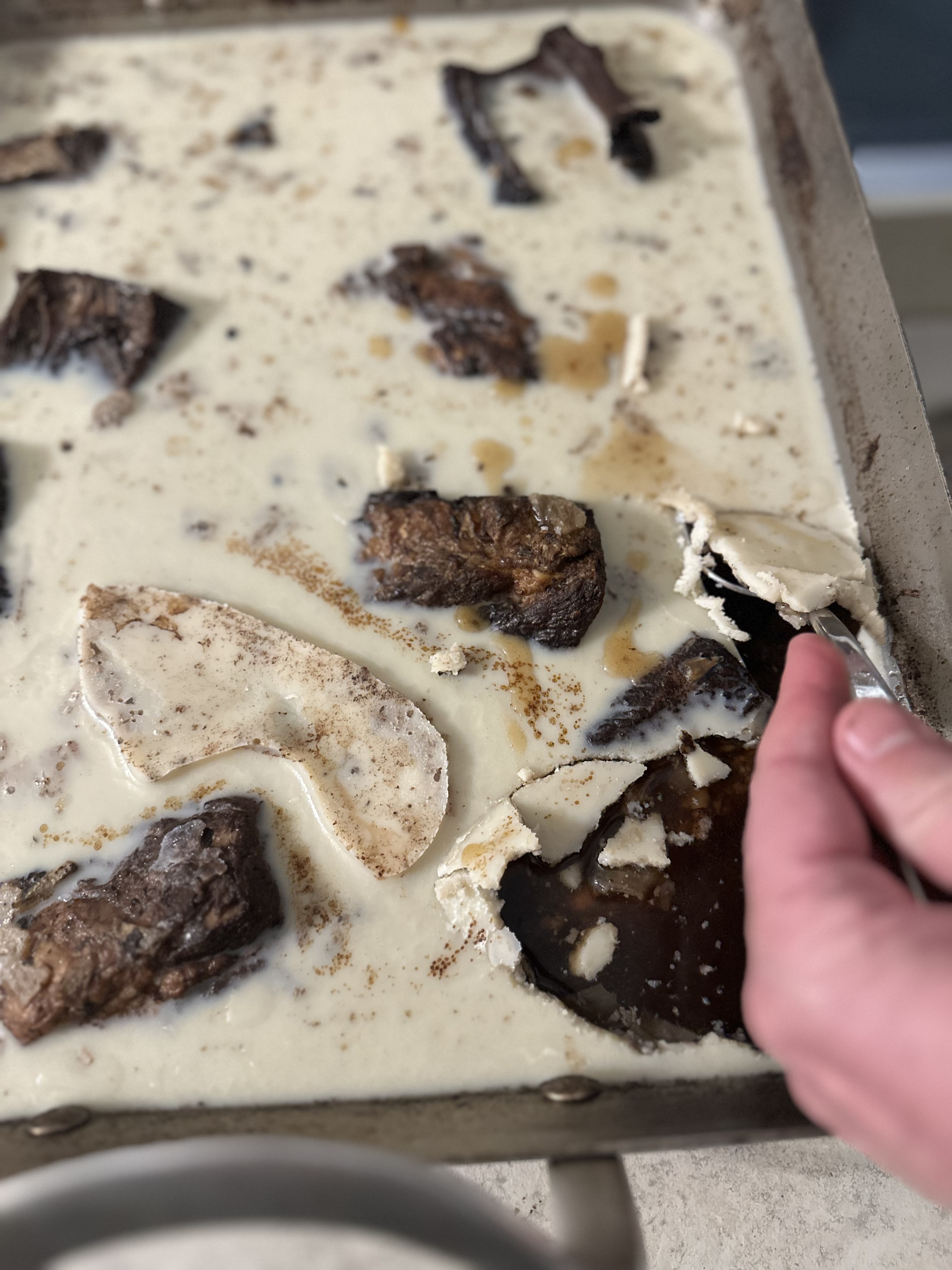
Creating your own beef tallow is a culinary adventure that begins with a nod to my tried-and-true short ribs recipe. While beef fat from various sources can be used, I’ll walk you through the process using the short ribs method for clarity and precision.
Once your short ribs have spent a night in the fridge, you’ll notice a luxurious layer of fat clinging to the top. Don your culinary detective hat and scrape off this golden bounty, depositing the fat chunks into a medium saucepan. Now, it’s time to unleash the transformative power of heat – watch as the fat gracefully melts into liquid gold.
To ensure the purity of your soon-to-be beef tallow, enlist the help of a trusty sieve. Strain the liquid fat, letting it cascade into a waiting mason jar. This step is crucial in bid adieu to any lingering debris and embracing a pristine end product. Seal the jar and get ready for a little culinary dance.
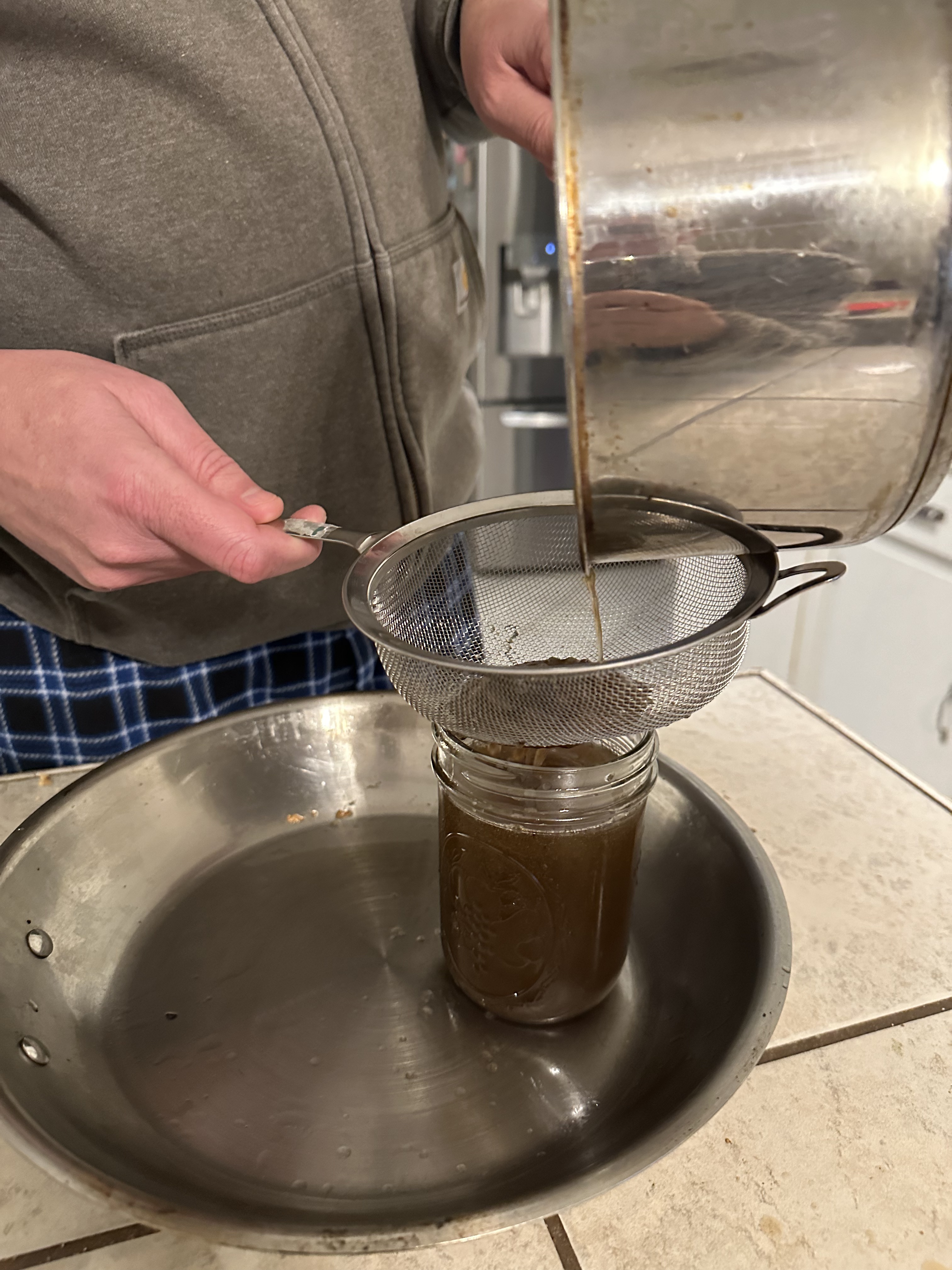
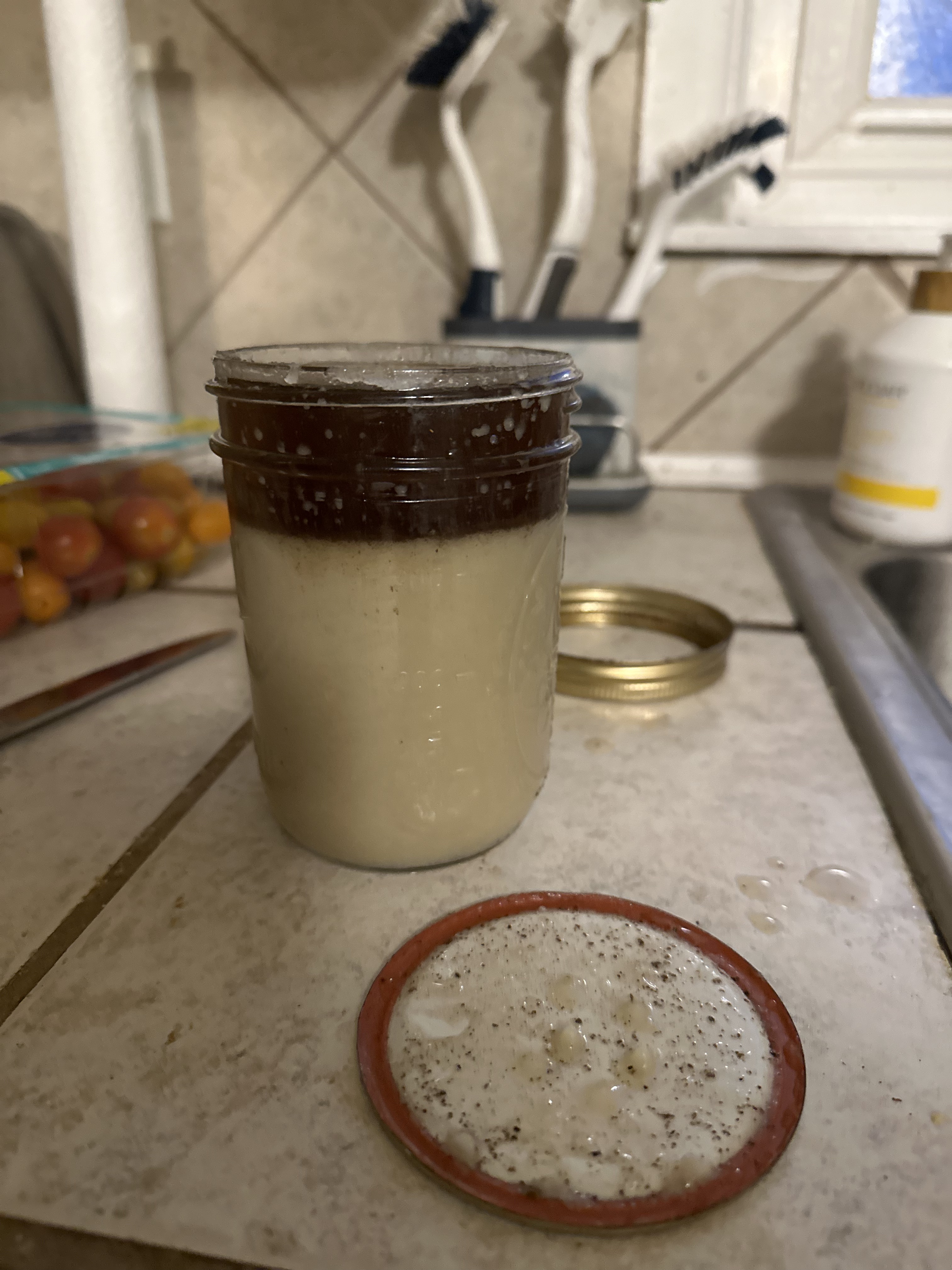
Give the jar a hearty shake, and then flip it upside down. Behold the magic as the fat rises to the top, while the undesired debris gracefully descends to the watery depths below. Once the jar has cooled, it earns a well-deserved spot in the refrigerator. Let patience be your guide as the fat solidifies, creating a two-tiered masterpiece in your mason jar.
With a deft hand, pour off the water, bid farewell to any lingering debris, and prepare for the next phase of transformation. Back to the medium saucepan goes the fat, melting into liquid perfection once more. Strain and return to the inverted jar with water. Repeat this alchemical process as needed; the goal is a beef tallow that rivals the purity of fresh snow.
Why the meticulous effort, you ask? The cleaner your beef tallow, the more tantalizing its flavor and the longer it will stand the test of time. As you embark on this journey to culinary craftsmanship, revel in the art of creating beef tallow – a process that not only elevates your cooking but also connects you with the essence of wholesome, homemade goodness.
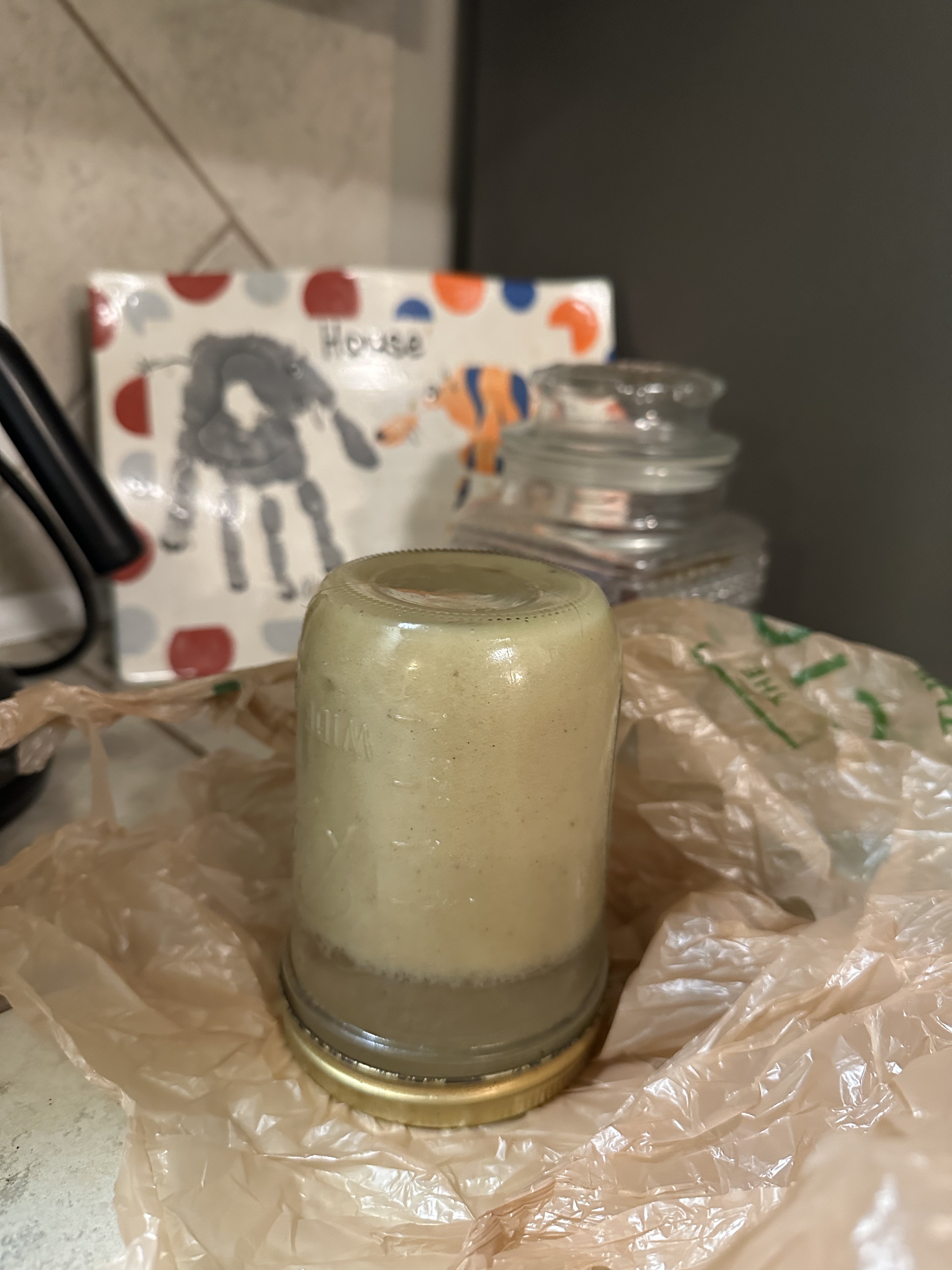
Beef Tallow
Ingredients/Equipment:
Fat from beef
Mason Jar
Water
Strainer
Saucepan
Directions:
- Scrape fat from prepared meat into a medium saucepan. (In my case I used the fat rendered from my short ribs previously posted)
- Heat fat until it liquifies and strain it to remove debris. Put into a mason jar
- Fill the remaining part of the jar with water, seal and shake. Allow to cool and place in refrigerator until it solidifies.
- Repeat steps two and three until the beef tallow turns white.
- Use beef tallow to replace any cooking oil or butter.
 Grateful Grits
Leave a comment