Since launching my blog, I’ve received numerous inquiries from readers seeking guidance on setting up their kitchen. Initially, this puzzled me, as the ins and outs of kitchen preparation have become second nature to me over time. However, reflecting on my own journey—from the initial eagerness to experiment with new recipes to facing the challenge of sparse cupboards and a near-empty refrigerator—I realized that what seems intuitive to me now was once a daunting prospect.
Consider the spice cabinet, for instance. A stroll down the spice aisle at the grocery store can be overwhelming, with an array of options that might leave even the most enthusiastic home chef feeling a bit lost. Amidst the multitude of choices, it becomes evident that not all spices are created equal, and many of them may rarely grace your cooking endeavors. In this culinary maze, it’s crucial to identify a handful of basics that even the most novice chef will find indispensable.
As you embark on your culinary journey, building a kitchen arsenal can be a gradual process. Start with the essentials and gradually expand your collection as you become more comfortable in the kitchen. While it may seem tempting to acquire every spice and gadget available, focusing on the fundamentals ensures a solid foundation for your culinary adventures. With time and experience, you’ll find yourself adding new ingredients and tools to your repertoire, transforming your kitchen into a personalized space tailored to your cooking preferences. So, whether you’re just starting out or seeking to refine your culinary domain, remember that building a well-equipped kitchen is a journey—a delightful evolution that unfolds with each recipe mastered and every meal shared.
Let’s begin with the foundational elements of any kitchen—spices. Fortunately, many spices are budget-friendly, and I’ll guide you through what is essential for virtually any recipe, as well as what you can afford to delay acquiring. First and foremost, salt and pepper are non-negotiable staples in every kitchen. Personally, I opt for the bulk options at Costco, securing both fresh ground and ready-ground black pepper. When faced with the choice between the two, I always lean towards the freshness of hand-ground pepper.
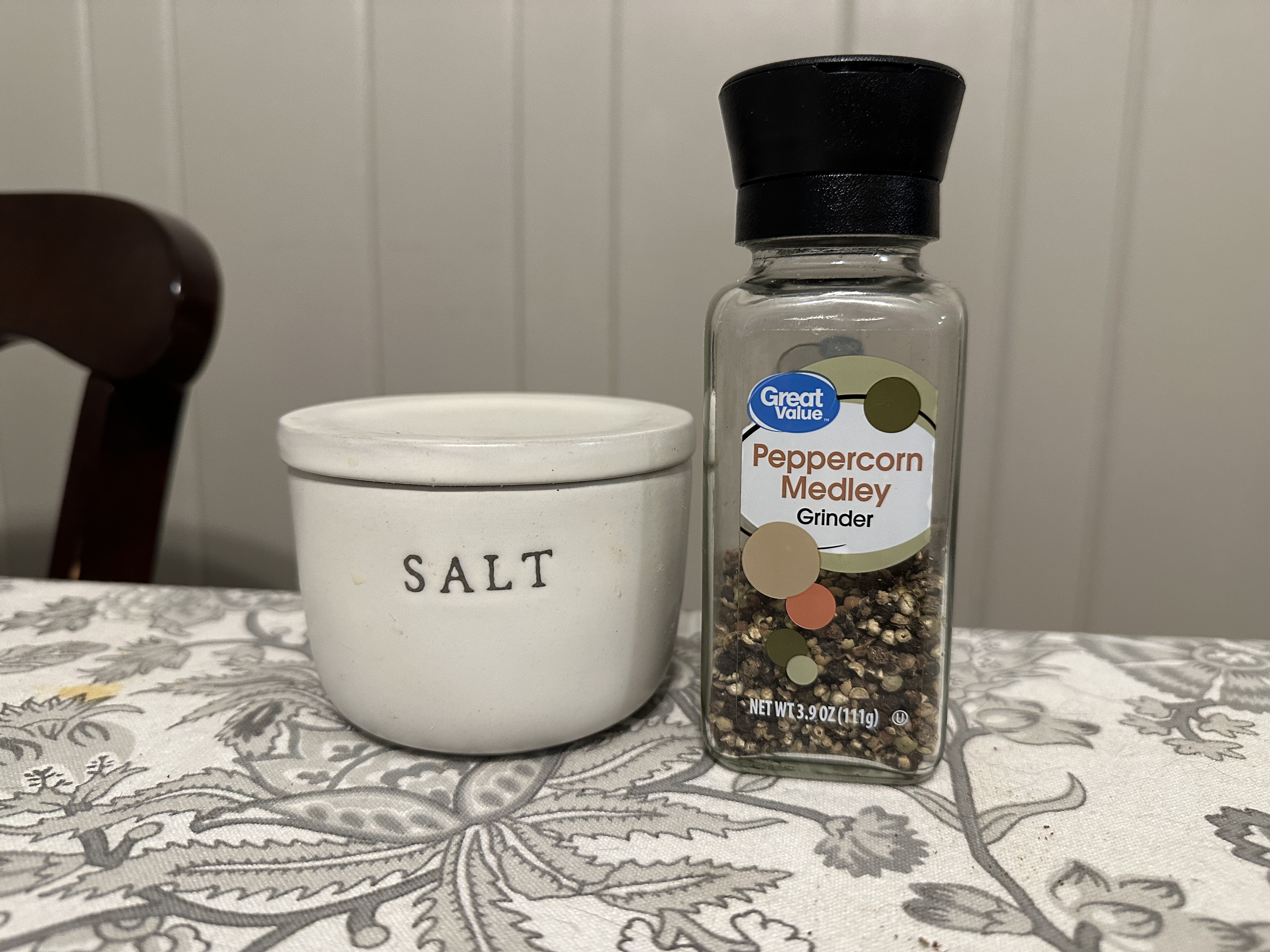
In the realm of salt, I have a penchant for pink Himalayan salt, although this choice is entirely subjective. I find it convenient to keep a petite salt jar with loose salt within arm’s reach of the stove. While I do measure salt on occasion, my cooking style primarily involves seasoning by hand, followed by a taste test. Contrary to the table salt and pepper shaker tradition, I refrain from placing them on my dining table. The rationale is simple: if the food is seasoned thoughtfully throughout the cooking process, it shouldn’t necessitate additional salt or pepper at the table.
In essence, the art of seasoning is an ongoing, intuitive process for me. It’s about infusing the dish with flavors as it evolves, ensuring a harmonious blend that eliminates the need for last-minute adjustments at the dining table. So, whether you’re reaching for the bulk containers at your favorite warehouse store or savoring the nuances of specific salts and peppers, remember that the key lies in the thoughtful application of these essential spices throughout your culinary journey.
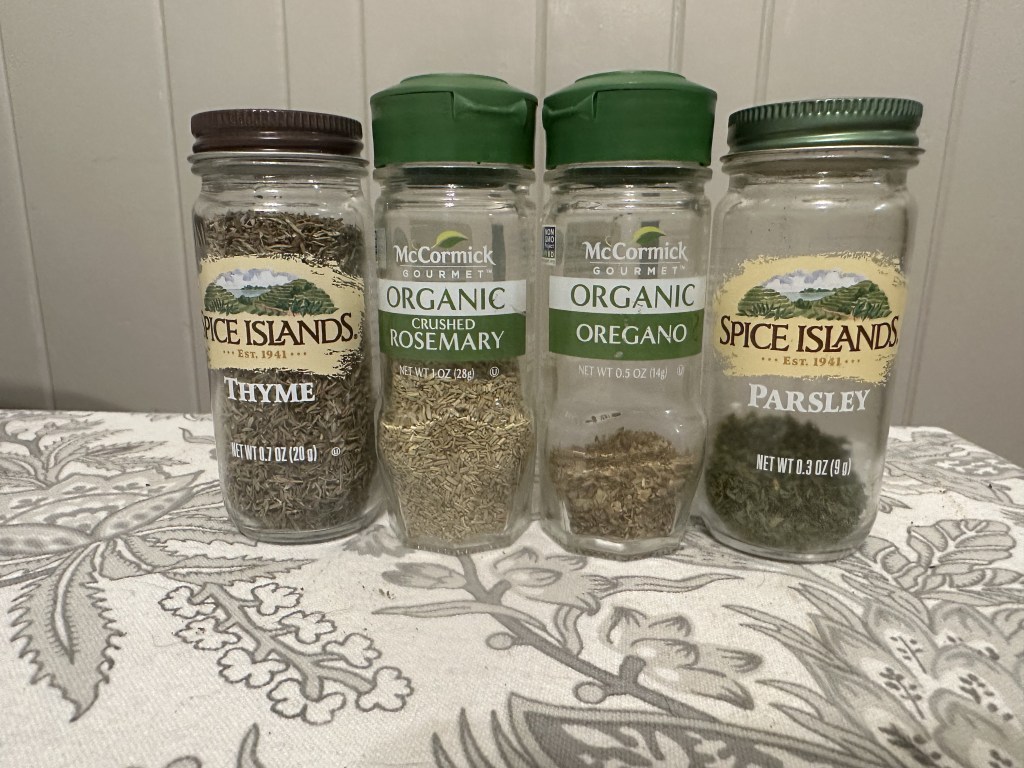
I find immense joy in tending to my garden year-round, and one of my cherished accomplishments is my herb garden. Besides being a budget-friendly endeavor with most herbs making a perennial return, the culinary experience of using fresh herbs far surpasses their dried counterparts. In my culinary haven, I always ensure I have a ready supply of parsley, oregano, thyme, and rosemary, each thriving effortlessly whether in pots or nestled in the soil. A word of caution: oregano and rosemary, while delightful additions, can grow quite vigorously, so mind their space.
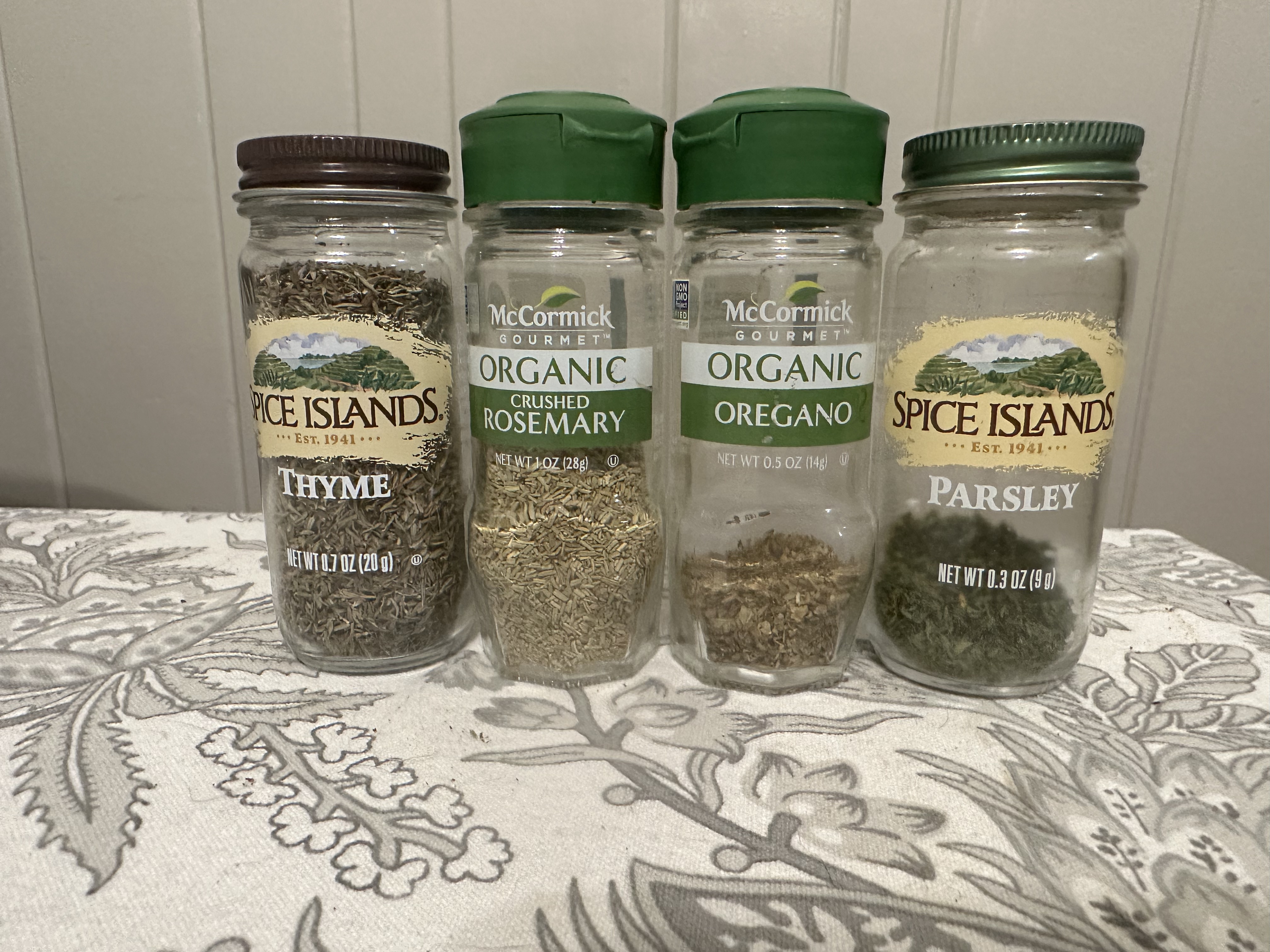
In my culinary philosophy, the quartet of parsley, oregano, thyme, and rosemary is a must-have. These herbs not only enhance the flavors of a dish but also contribute to its aromatic allure. Whether you’re embellishing a savory sauce or elevating the simplicity of a roasted dish, these herbs add a touch of culinary magic. If, however, dried herbs are your go-to, remember to use one-third of the quantity compared to their fresh counterparts. The drying process intensifies their flavor, making them more potent in smaller amounts.
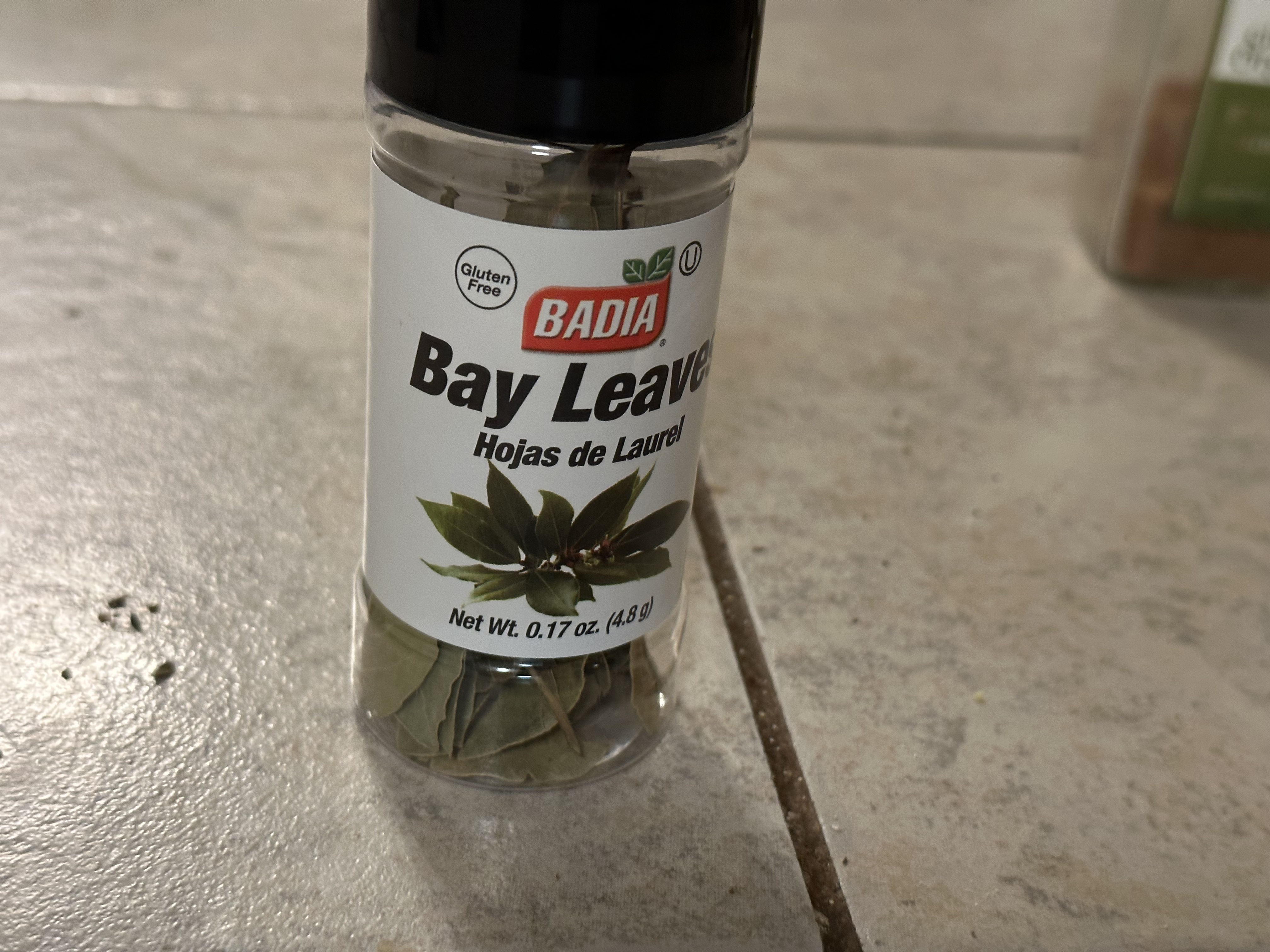
Shifting the spotlight to bay leaves, I recommend opting for the dried variant, as growing them can be a challenge in many regions. These peculiar leaves play a unique role—they’re introduced into sauces or soups at the onset of the cooking process and later removed before serving. Though the actual leaf is bitter and unsuitable for consumption, its undeniable contribution to flavor is what sets it apart. Bay leaves impart a subtle depth that can elevate your culinary creations, adding a mysterious note that makes a dish truly memorable. So, while herbs are generally more cost-effective than many spices, the humble bay leaf deserves recognition for its distinct role in enhancing flavors, despite its enigmatic nature.
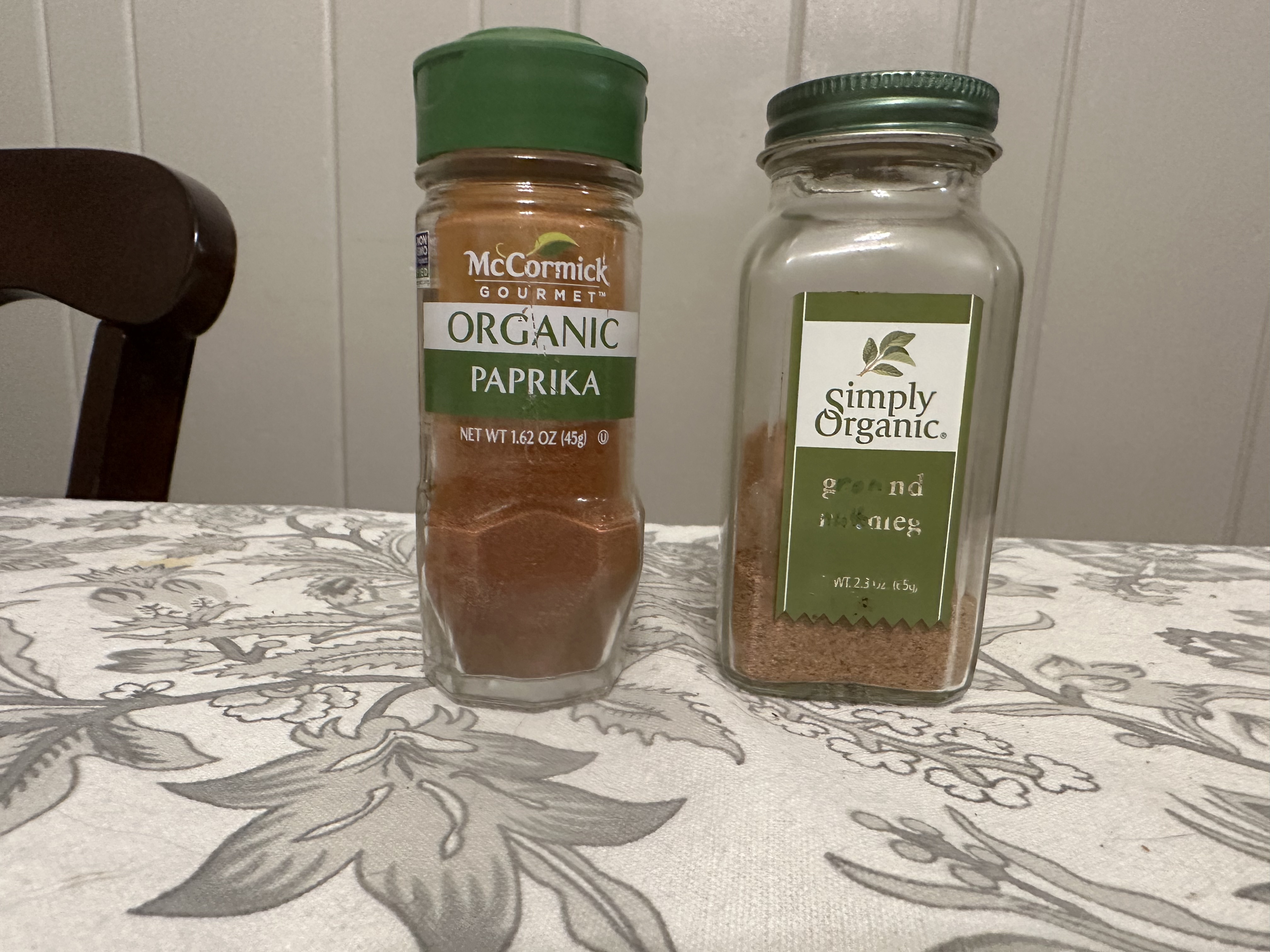
When it comes to essential spices, I keep a concise list, and paprika earns its prominent spot. This versatile seasoning plays a crucial role in elevating the flavor of smoked meats, various sauces, and an array of rubs. Nutmeg, surprisingly versatile in its distinct flavor profile, finds its way into both sweet and savory dishes in my kitchen. Beyond its culinary appeal, nutmeg packs a punch with essential minerals contributing to overall health. Mustard powder is another staple, featuring in rubs, sauces, on meats, and even salad dressings—although it tends to be my least used spice, usually reserved in the smallest container.
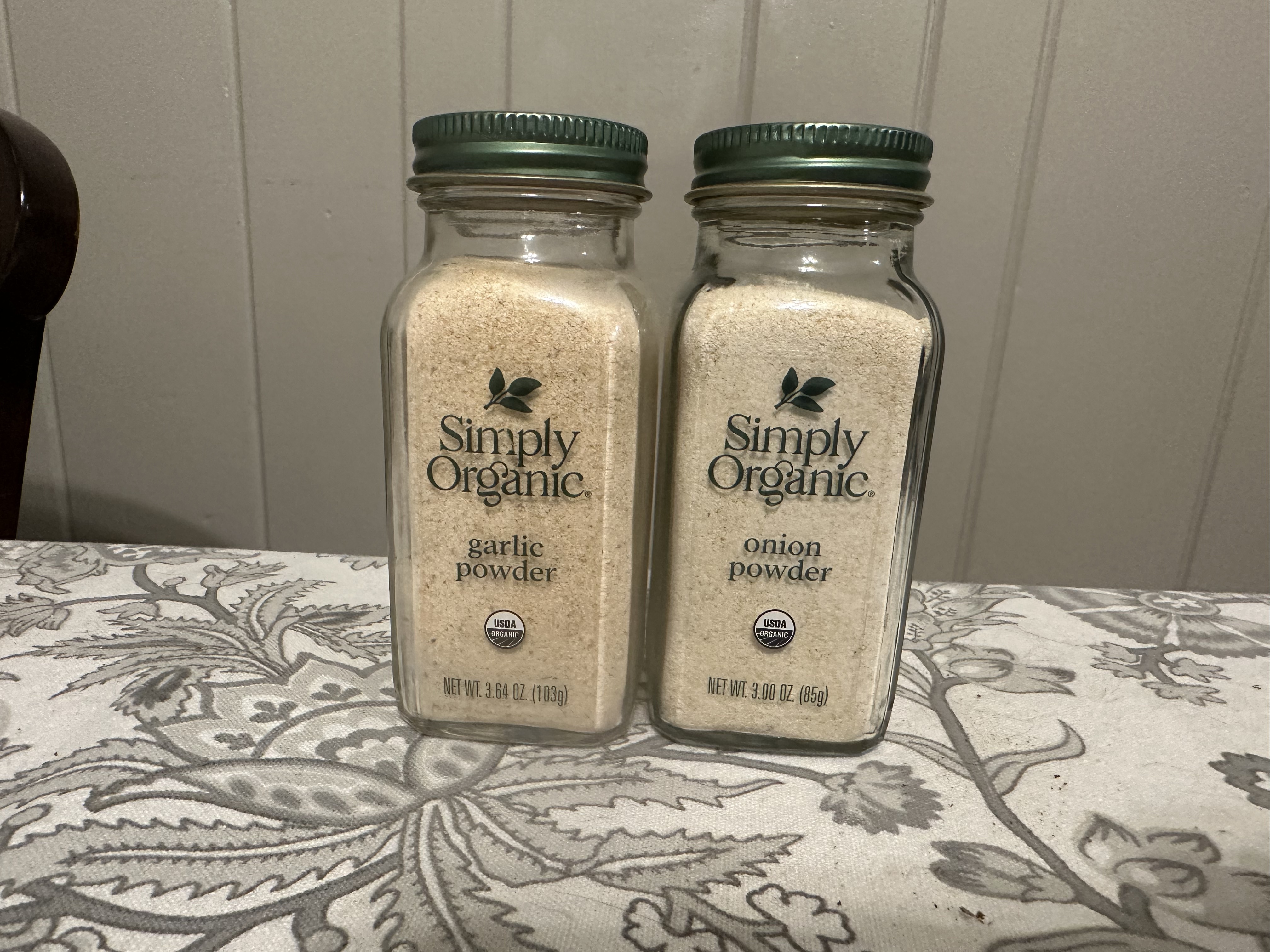
In the realm of spice cabinet essentials, I always have onion powder and garlic powder at the ready. While fresh garlic and onions take precedence, these powders offer a convenient shortcut, providing flexibility in cooking without the need for extensive prep. Though not obligatory in every recipe, they certainly prove invaluable, saving both time and effort in the culinary process.
Stay tuned for more blogs diving into the essentials of the kitchen, where I’ll share insights on the key elements that make cooking a delightful and efficient experience.
Quick List
Salt
Pepper (Fresh Preferred)
Thyme
Parsley
Oregano
Rosemary
Bay Leaves
Paprika
Dried Mustard Powder
Nutmeg
Onion Powder
Garlic Powder
 Grateful Grits
Leave a comment